Knee osteoarthritis is one of the most common conditions affecting the knee joint. It develops when the protective cartilage covering the surfaces of the knee gradually wears down. As the cartilage becomes damaged, the bones may rub against each other, resulting in pain, stiffness and difficulty with movement.
Although osteoarthritis is more common with increasing age, it can also develop earlier in life due to previous injuries, excess stress on the joint, obesity or other factors affecting knee health.
Common Causes and Risk Factors
Several factors can increase the risk of developing knee osteoarthritis. These include:
- Increasing age
- Previous knee injuries
- Repeated stress on the knee
- Being overweight or obese
- Previous knee surgery
- Muscle weakness around the joint
- Certain joint conditions
A history of ligament or meniscus injuries may also increase the likelihood of developing degenerative changes in the knee over time.
Symptoms of Knee Osteoarthritis
Symptoms may develop gradually and can become more noticeable during physical activity. Common symptoms include:
- Knee pain during movement
- Stiffness after periods of rest
- Difficulty climbing stairs
- Pain while standing or walking
- Reduced knee movement
- Swelling around the joint
- A grinding or clicking sensation
Some patients may initially experience only occasional discomfort, while advanced osteoarthritis can significantly interfere with everyday activities.
How Is Knee Osteoarthritis Diagnosed?
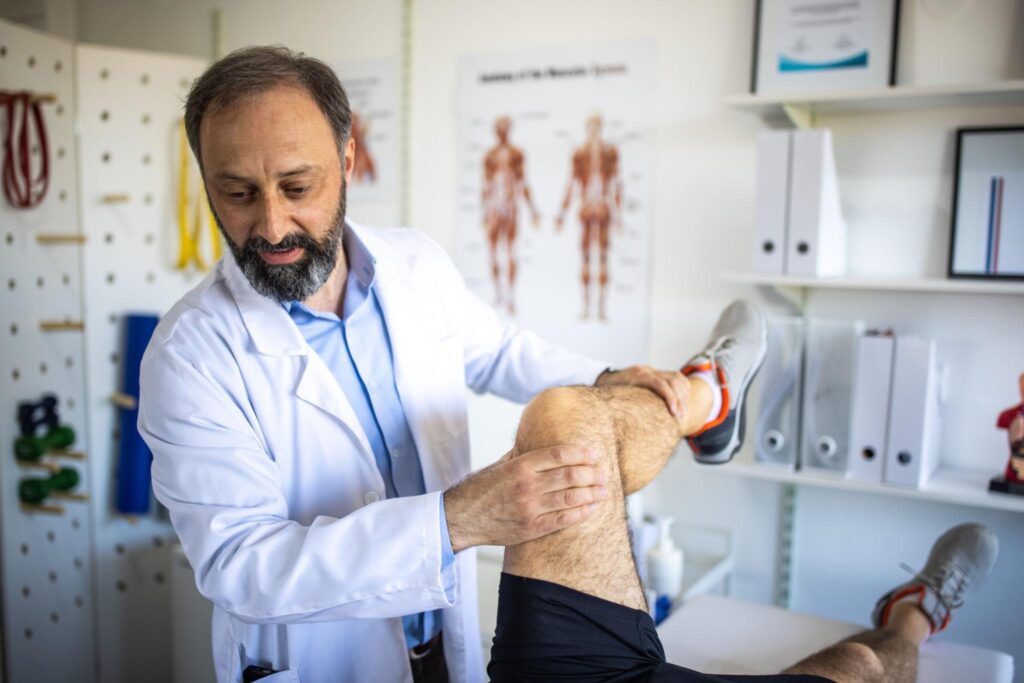
Diagnosis usually begins with a clinical assessment and physical examination. The doctor may evaluate knee movement, tenderness, swelling and alignment.
X-rays are commonly used to assess changes in the joint, including narrowing of the joint space and other signs of degeneration. In selected cases, additional imaging such as MRI may be recommended to evaluate cartilage, meniscus, ligaments and other soft tissues.
Treatment for Knee Osteoarthritis
Treatment is selected according to the severity of symptoms and the individual patient’s condition.
In the early stages, treatment may include lifestyle changes, weight management, physiotherapy, muscle-strengthening exercises and prescribed medication for pain and inflammation when appropriate.
Regular low-impact physical activity can help maintain muscle strength and joint mobility. Activities such as walking, swimming and cycling may be suitable for some patients, depending on their condition and medical advice.
When Is Surgery Considered?
When knee osteoarthritis becomes severe and symptoms continue despite non-surgical treatment, surgical options may be considered.
For patients with advanced joint damage and significant pain or functional limitations, knee replacement surgery may provide an option to restore joint function and improve quality of life.
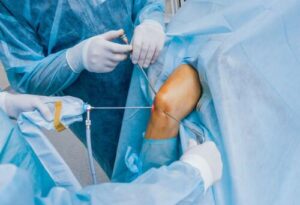
During knee replacement surgery, damaged joint surfaces are removed and replaced with artificial components designed to restore the function and alignment of the knee.
Importance of Rehabilitation
Recovery does not end with surgery. Physiotherapy and rehabilitation play an important role in helping patients regain knee movement, strength and confidence.
Following the rehabilitation programme recommended by the orthopedic team can support recovery and help patients gradually return to their daily activities.
Advanced Orthopedic Care at Evercare Hospital Dhaka
The Orthopedics and Sports Injury Department at Evercare Hospital Dhaka provides comprehensive care for patients experiencing knee pain and degenerative joint conditions. Advanced diagnostic facilities, experienced orthopedic specialists and modern treatment options allow patients to receive care based on the severity of their condition and individual needs.
Early consultation can help identify the cause of persistent knee pain and determine the most appropriate treatment approach.
Take Your Knee Pain Seriously
Persistent knee pain and stiffness should not simply be considered a normal part of ageing. Early evaluation may help manage symptoms, maintain mobility and prevent the condition from significantly affecting everyday life.
If knee pain is interfering with your walking, work, exercise or daily activities, consult an orthopedic specialist for a proper evaluation.