The anterior cruciate ligament (ACL) is one of the major ligaments that helps stabilize the knee joint. It plays an important role in controlling forward movement and rotation of the lower leg. An ACL injury can significantly affect knee stability and may make it difficult for patients to continue their normal daily activities or participate in sports.
ACL injuries are particularly common among athletes involved in football, basketball, cricket and other sports that require sudden changes in direction. However, they can also occur due to road traffic accidents, falls or unexpected twisting of the knee.
What Causes an ACL Injury?
An ACL injury often occurs when the knee is suddenly forced into an abnormal position. Common causes include:
- Sudden changes in direction while running
- Incorrect landing after jumping
- Sudden stopping during sports
- Direct impact or collision
- Slipping or falling
- Road and motorbike accidents
Athletes are at increased risk when participating in activities that involve repeated jumping, pivoting and rapid movements.
Symptoms of an ACL Injury
Many patients experience a sudden injury accompanied by significant pain and swelling. Other symptoms may include:
- A popping sensation at the time of injury
- Rapid swelling of the knee
- Difficulty walking or putting weight on the leg
- Reduced range of motion
- Knee pain and tenderness
- A feeling of instability or giving way
If the knee repeatedly feels unstable, further assessment by an orthopedic specialist is recommended.
How Is an ACL Injury Diagnosed?
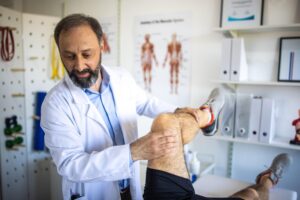
A doctor will assess the patient’s symptoms and perform specific physical examinations to evaluate knee stability. Imaging investigations may also be recommended.
X-rays can help rule out fractures and other bone-related injuries, while MRI scans provide detailed images of the ACL and other soft tissues. MRI can also identify associated meniscus, cartilage and ligament injuries.
Treatment Options for ACL Injuries
Treatment depends on the severity of the injury, the patient’s age, activity level and overall knee condition.
Some patients may benefit from non-surgical treatment involving rest, physiotherapy, strengthening exercises and activity modification. However, surgery may be considered when there is significant instability, associated injuries or a need to return to demanding physical activities.
Arthroscopic ACL Reconstruction
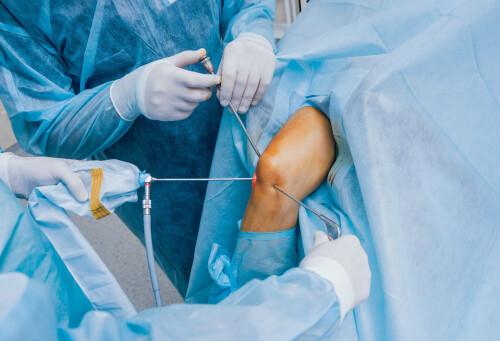
ACL reconstruction is commonly performed using arthroscopic techniques. Through small incisions, a camera and specialized instruments are introduced into the knee. The damaged ligament is reconstructed using an appropriate graft.
Because arthroscopy uses small surgical openings, it can minimize tissue disruption compared with traditional open procedures. However, successful recovery also depends on following a structured rehabilitation programme after surgery.
Rehabilitation After ACL Surgery
Physiotherapy is an important part of ACL recovery. Rehabilitation focuses on controlling swelling, restoring knee movement, rebuilding muscle strength and gradually improving balance and stability.
Patients should follow their orthopedic surgeon and physiotherapist’s instructions before returning to sports or strenuous activities.
Preventing ACL Injuries
Regular strength and conditioning exercises can help improve knee stability and reduce injury risk. Proper warm-up, flexibility training, balance exercises and appropriate sports techniques are also important.
Expert Orthopedic Care at Evercare Hospital Dhaka
The Orthopedics and Sports Injury Department at Evercare Hospital Dhaka provides comprehensive evaluation and treatment for patients with knee ligament injuries. With advanced diagnostic facilities, modern arthroscopic technology and experienced orthopedic specialists, patients can receive individualized treatment based on their condition and lifestyle.
Early assessment of an ACL injury can help prevent further knee damage and support a safer return to everyday activities and sports.
If you experience significant knee pain, swelling or instability after an injury, seek professional medical advice rather than ignoring the symptoms.