The knee is one of the most complex and important joints in the human body. It supports our body weight and allows us to walk, run, climb stairs and participate in sports. Ligaments within the knee play an essential role in maintaining joint stability. When one of these ligaments is stretched or torn, normal knee function can be significantly affected.
Knee ligament injuries are common among athletes, physically active individuals and young people. However, they can occur in anyone following an accident, fall or sudden twisting movement.
What Causes Knee Ligament Injuries?
Knee ligament injuries frequently occur during sports activities. Sudden changes in direction, awkward landings, rapid stops, twisting movements and direct collisions can place excessive stress on the knee ligaments.
Other common causes include:
- Motorbike and road traffic accidents
- Slips and falls
- Sudden twisting of the knee
- Sports-related collisions
- Improper landing during physical activities
- Direct impact to the knee
Some people may initially believe that their injury is minor and continue with their normal activities. However, even when external signs of injury appear limited, significant damage to the internal structures of the knee may be present.
Common Symptoms of a Knee Ligament Injury
Symptoms can vary depending on the type and severity of the injury. Common signs include:
- Knee pain and tenderness
- Swelling around the joint
- Difficulty bending or straightening the knee
- A feeling of instability while walking
- Difficulty putting weight on the affected leg
- A sensation that the knee is giving way
- A feeling that the knee may slip or move out of position
If these symptoms develop after an injury, it is important to seek medical evaluation rather than continuing activities that may worsen the condition.
How Is a Knee Ligament Injury Diagnosed?
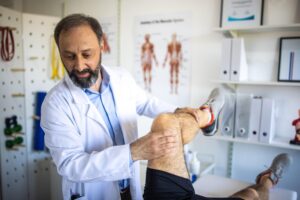
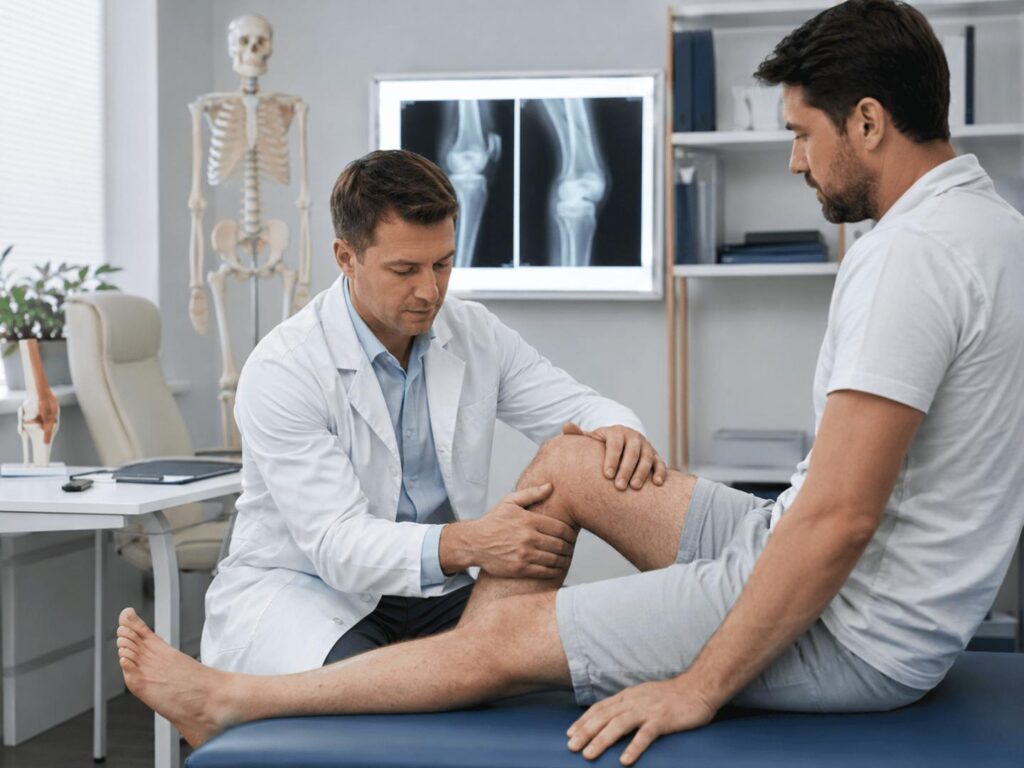
Diagnosis begins with a detailed assessment of the patient’s symptoms and medical history, followed by a physical examination of the knee. Depending on the suspected injury, the doctor may recommend imaging investigations.
X-rays can help identify bone-related injuries, while an MRI scan provides detailed images of the soft tissues of the knee. MRI can help doctors assess ligament tears as well as associated meniscus, cartilage and other soft-tissue injuries.
An accurate diagnosis is important because the appropriate treatment depends on the type and severity of the ligament injury, the patient’s activity level and the overall condition of the knee.
Treatment for Knee Ligament Injuries
Treatment depends on the severity of the injury and the patient’s individual needs. For some less severe injuries, conservative treatment may be sufficient. This can include adequate rest, ice application, prescribed pain-relieving medication, physiotherapy and the use of a knee brace when appropriate.
However, severe ligament tears or persistent knee instability may require surgical treatment.
Arthroscopic Ligament Reconstruction
Modern arthroscopic surgery is a minimally invasive treatment option for selected patients with significant ligament injuries. During the procedure, a small camera and specialized surgical instruments are inserted through tiny incisions around the knee.
This allows the surgeon to examine and treat the damaged structures with minimal disruption to surrounding tissues. Depending on the injury, ligament reconstruction may help restore knee stability and improve functional recovery.
Following surgery, a structured rehabilitation and physiotherapy programme is an important part of recovery. The rehabilitation process helps restore strength, flexibility, balance and movement so that patients can gradually return to their normal activities.
Why Timely Treatment Matters
Ignoring a significant knee ligament injury may lead to ongoing instability and difficulty performing everyday activities. Repeated episodes of the knee giving way can place additional stress on other structures, including the meniscus and cartilage.
Over time, untreated instability may contribute to further joint damage and increase the risk of developing degenerative conditions such as osteoarthritis.
For this reason, persistent pain, swelling or instability following a knee injury should not be ignored. Early assessment allows doctors to identify the extent of the damage and recommend an appropriate treatment plan.
How Can Knee Ligament Injuries Be Prevented?
Although not every knee injury can be prevented, several measures may help reduce the risk, particularly during sports and physical activities.
- Warm up properly before exercise or sports
- Strengthen the muscles around the knee and lower limb
- Improve balance, flexibility and coordination
- Use proper techniques during sports activities
- Wear appropriate protective equipment when required
- Avoid returning to sports before an existing injury has adequately recovered
Advanced Knee Care at Evercare Hospital Dhaka
The Orthopedics and Sports Injury Department at Evercare Hospital Dhaka provides comprehensive care for patients with knee ligament injuries. The hospital offers access to advanced diagnostic imaging, modern arthroscopic surgical facilities and experienced orthopedic specialists.
From accurate diagnosis and treatment planning to postoperative rehabilitation and physiotherapy, a multidisciplinary approach can help patients work towards restoring knee function and returning to an active lifestyle.
Don’t Ignore Knee Pain or Instability
Knee pain, swelling or a feeling that the knee is giving way after an injury may indicate ligament damage. Early medical evaluation can help identify the problem and prevent potential long-term complications.
If you have experienced a knee injury or are experiencing persistent knee instability, consult an orthopedic specialist for an appropriate assessment and treatment plan.